

Hidden Gems in South Korea: 4 Coastal Towns to Explore Beyond Seoul and Busan

Seoul and Busan headline nearly every South Korea itinerary, and for good reason. But travelers who venture past the two big names often find the trips they remember most. The country's southern and eastern coastlines are lined with port towns, island views, cliff-top temples and traditional markets that see a fraction of the crowds.
This guide from Gohub rounds up four of the best hidden gems in South Korea: Tongyeong, Namhae, Sokcho and Yeosu. Each one pairs slower-paced sightseeing with fresh seafood and coastal scenery, and each is easy to reach once the main cities are ticked off. Below, you’ll find what makes each destination worth visiting, who it suits and what to know before adding it to your route.
Why Look Beyond Seoul and Busan?
The big cities are unmissable, but they are also where most international visitors concentrate. Stepping out to smaller coastal destinations changes the trip in a few ways. Prices for food and stays tend to be gentler, popular sights feel calmer outside weekends and holidays, and the scenery shifts from skylines to seascapes.
These towns also show a different side of Korean daily life, from working harbors to family-run seafood restaurants and markets that have traded for centuries. For anyone who has already seen the palaces and shopping districts, this is where a second trip to Korea earns its keep.
A quick note before diving in: crowd levels vary by season. All four destinations can get busy on weekends, public holidays and during the peak summer and autumn travel periods, so midweek visits reward travelers with the quietest experience.
1. Tongyeong, the "Naples of Korea"
Sitting on the south coast of Gyeongsangnam Province, Tongyeong is a picturesque port city often nicknamed the "Naples of Korea" for its harbor setting and scatter of nearby islands. It makes an easy addition to any trip that already includes Busan, roughly two hours away by road.
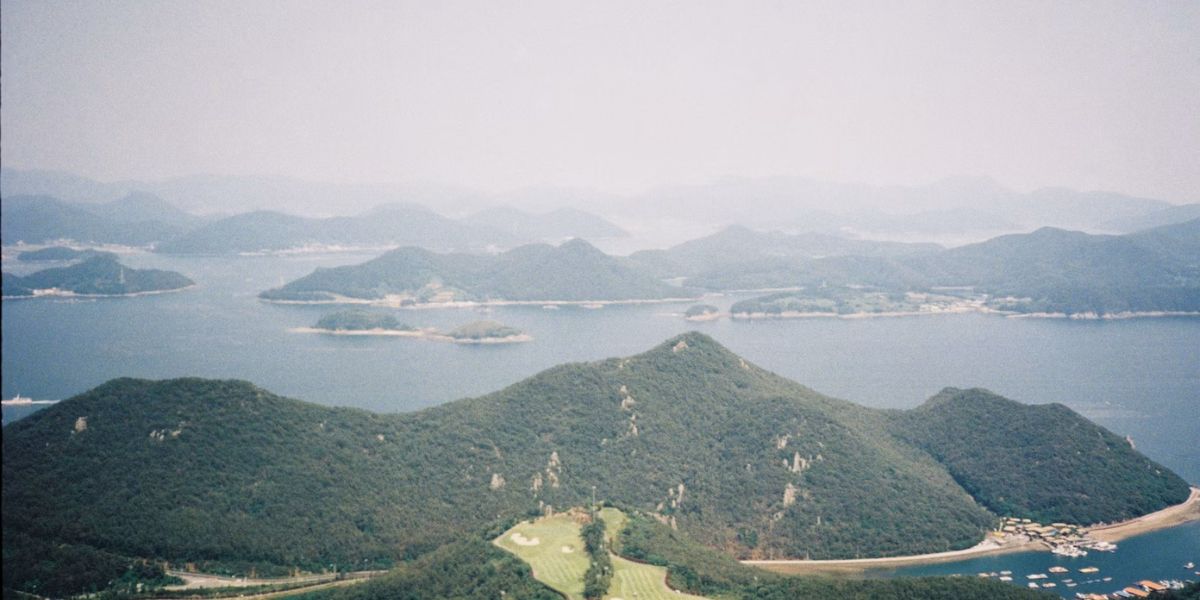 Tongyeong, Gyeongsangnam-do, South Korea. Image: Cecelia Chang / Unsplash
The signature experience is the 1,975-meter Tongyeong Cable Car, which climbs toward the upper slopes of Mireuksan Mountain in around nine minutes. From the top, the view opens across the Hallyeohaesang seascape, a maze of green islands drifting across the bay and the highlight of Hallyeohaesang National Park.
Back at sea level, Jungang Traditional Market is the place to slow down. Jungang Traditional Market is one of the city’s best-known places for fresh seafood, dried fish, local snacks, and everyday market life. Tongyeong is also known for its oyster harvests, so a seafood lunch here is close to mandatory. Travelers with extra time can hop a short ferry to one of the surrounding islands for even quieter coastal walks.
Good for: Coastal panoramas, seafood lovers, first-time visitors to Korea's south coast.
Tongyeong Travel Tips
Suggested stay: 1–2 nights
Best reached from: Busan by intercity bus
When to go: Spring or autumn for comfortable weather and clear coastal views
Getting around: Local buses and taxis connect the main attractions. A rental car is useful for exploring quieter coastal areas outside the city center.
2. Namhae, Island Scenery and Rice Terraces
Namhae is a scenic island county connected to the mainland by a series of bridges, which makes it far easier to reach than its remote feel suggests. It is one of Korea's larger southern islands and is best known for dramatic coastal drives, terraced fields and peaceful fishing villages.
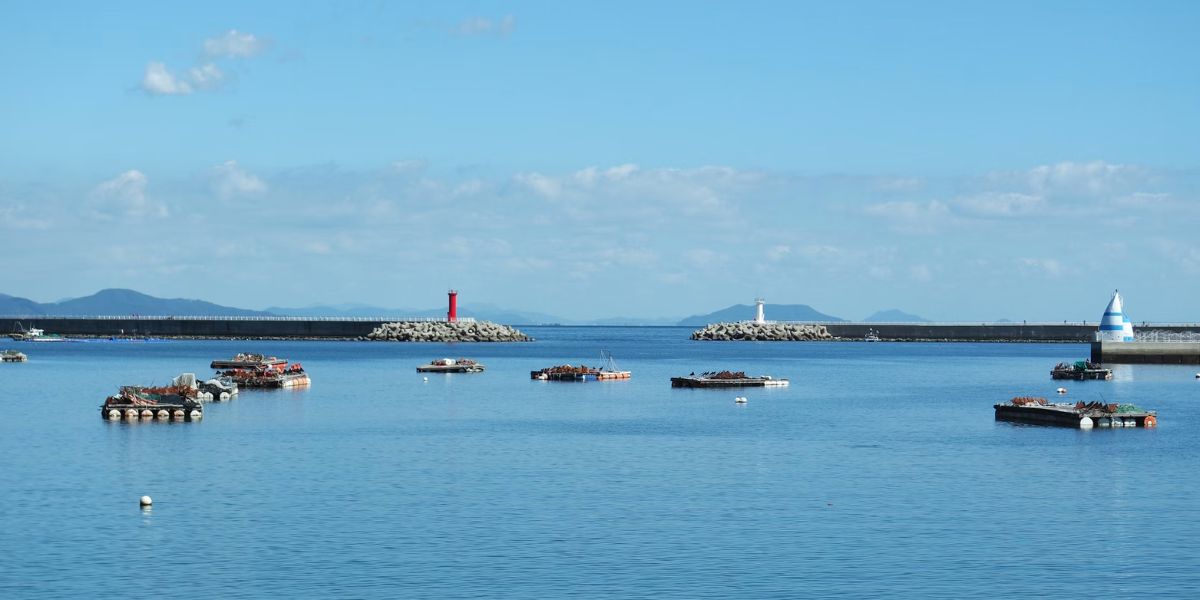 Namhae rewards slow travel, from quiet fishing villages to hillside rice terraces overlooking the sea. Image: Haein Kim/ Unsplash
Three sights anchor most visits. Gacheon Daraengi Village is famous for its steep rice terraces that step down the hillside toward the sea, one of the most photographed rural landscapes in the country. Namhae German Village, built by Korean workers who returned from Germany, brings an unexpected European streetscape and cafés overlooking the bay. And Boriam Hermitage on Geumsan Mountain rewards a short hike with sweeping views out over the water.
Namhae is more about scenery and stillness than checklist attractions, which is exactly its appeal. A rental car or organized day tour makes it easy to link the island's spread-out highlights in a single day.
Good for: Road trips, photography, travelers chasing quiet countryside views.
Namhae Travel Tips
Suggested stay: 1–2 nights
Best reached from: Busan, Jinju or Yeosu by intercity bus, followed by local transport
When to go: Spring for green landscapes and flowers, or autumn for mild weather
Getting around: Namhae’s attractions are spread across the island, so a rental car or organized tour is the most convenient option. Public buses are available but may run infrequently.
3. Sokcho, Gateway to Seoraksan National Park
Up on the northeastern coast, Sokcho is the go-to base for exploring Seoraksan National Park, home to some of South Korea's most dramatic mountain scenery. Granite peaks, forested valleys and temples make it a favorite for hikers, and the trails run from gentle walks to serious summit climbs.
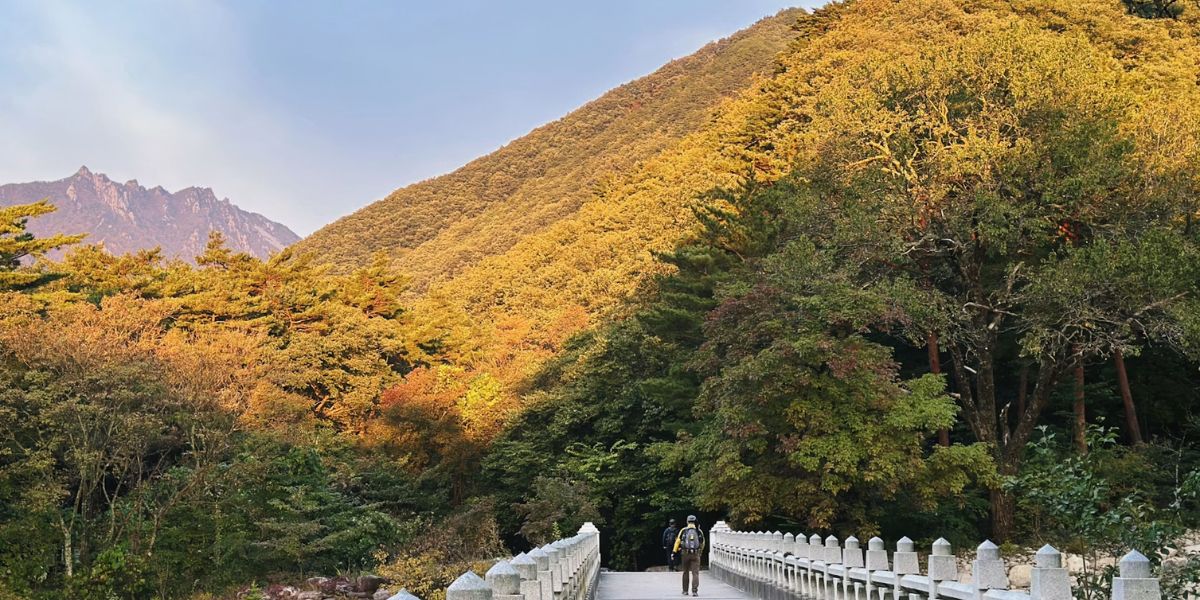 Seoraksan National Park sits on Sokcho's doorstep, with peaks that turn spectacular in autumn. Image: Alexa Soh/ Unsplash
Sokcho itself is a rewarding stop even for non-hikers. Daepo Port is the spot for fresh seafood pulled straight from the boats, and the city's beaches and markets offer an easy, low-key day by the water. The contrast of mountains on one side and the East Sea on the other is what makes Sokcho stand out.
Autumn is the marquee season here, when Seoraksan's foliage turns, though that also makes it the busiest. Travelers who prefer space to breathe should aim for a weekday visit.
Good for: Hikers, nature lovers, anyone combining mountains and coast in one trip.
Sokcho Travel Tips
Suggested stay: 2 nights
Best reached from: Seoul by express or intercity bus
When to go: Spring for hiking, summer for the coast, or autumn for Seoraksan’s foliage
Getting around: Local buses connect central Sokcho with Seoraksan National Park and other major attractions. Taxis are convenient for shorter trips around the city.
4. Yeosu, Islands and an Illuminated Waterfront
On the southern coast, Yeosu is a port city known for its scatter of islands and a waterfront that comes alive after dark. Once host to a World Expo, the city has an easygoing seaside energy and some of the best sunset-to-night views on this list.
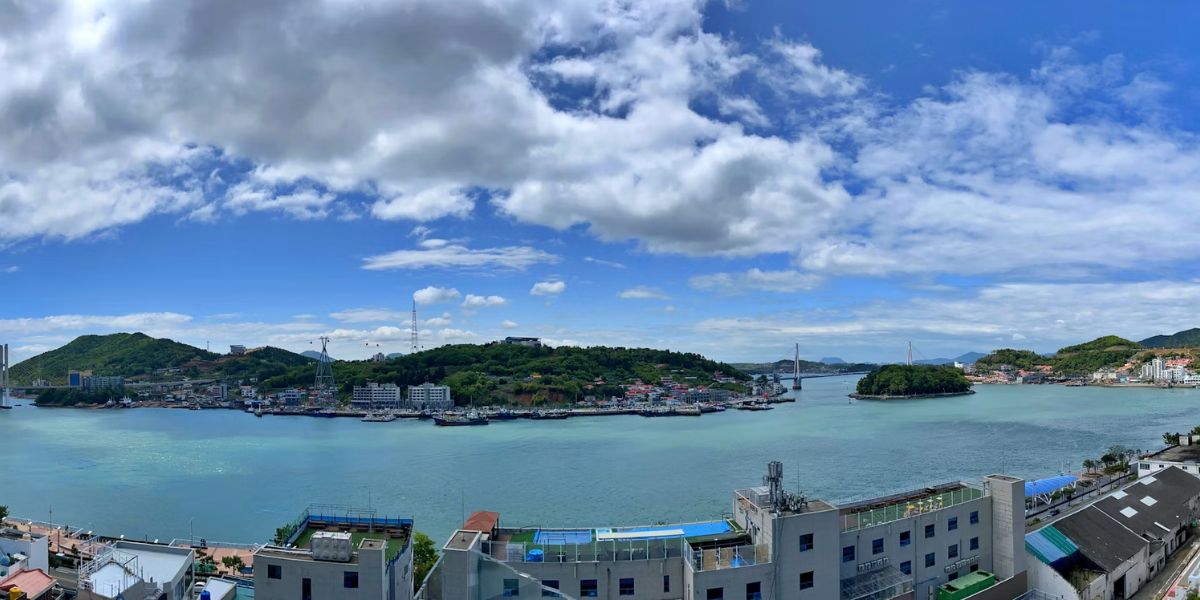 Yeosu- Coastal city skyline in South Korea. Image: Suzi Kim / Unspash
The clifftop Hyangiram Hermitage is the standout, a small temple perched on a rocky hillside above the sea and especially popular at sunrise. The Yeosu Maritime Cable Car offers another vantage point, carrying passengers over the water between the mainland and Dolsan Island. As evening falls, the illuminated bridges and harbor make the waterfront a natural place to end the day.
Yeosu also connects well by train, making it one of the more accessible destinations on this list for travelers based farther north.
Good for: Night views, temple settings, relaxed coastal evenings.
Yeosu Travel Tips
Suggested stay: 1–2 nights
Best reached from: Seoul by train to Yeosu-Expo Station, or from Busan by intercity bus
When to go: Spring or autumn for pleasant coastal weather; early spring is also popular for camellias on Odongdo Island
Getting around: City buses and taxis cover the main waterfront attractions. A rental car is helpful for visiting Hyangiram Hermitage and more distant parts of Dolsan Island.
At a Glance: Comparing the Four Destinations
Destination | Region | Best for | Signature sight |
|---|---|---|---|
Tongyeong | South coast | Seaside panoramas, seafood | Tongyeong Cable Car |
Namhae | South coast (island) | Road trips, scenery | Gacheon Daraengi rice terraces |
Sokcho | Northeast coast | Hiking, mountains and sea | Seoraksan National Park |
Yeosu | South coast | Night views, temples | Hyangiram Hermitage |
Stay Connected While Exploring Korea's Hidden Gems
A travel eSIM can help you get online without visiting an airport SIM counter or removing your primary SIM. With a compatible, carrier-unlocked phone, you can install the eSIM before departure and activate the data line after arriving in South Korea.
Frequently Asked Questions
What are the best hidden gems in South Korea beyond Seoul and Busan?
Tongyeong, Namhae, Sokcho and Yeosu are four of the most rewarding. They offer a change of pace from Korea’s largest cities, although popular attractions can still become busy on weekends and during peak seasons.
When is the best time to visit these coastal destinations?
Spring and autumn bring the most comfortable weather and the best scenery, especially around Seoraksan National Park near Sokcho. Weekdays outside public holidays and peak summer are quietest.
How do travelers get around between these towns?
Yeosu has the most convenient rail connection, including trains from Seoul. Tongyeong and Sokcho are commonly reached by intercity or express bus, while Namhae is easiest to explore by rental car or organized tour. Always check current schedules before traveling.
Do I need an eSIM for South Korea?
An eSIM is the simplest way to stay online. A Gohub South Korea eSIM provides instant data on arrival via QR code, avoiding roaming fees and airport SIM queues, which is useful when navigating smaller towns where English signage may be limited.
Final Thoughts
Seoul and Busan are just the opening chapter. Tongyeong's island panoramas, Namhae's rice terraces, Sokcho's mountains and Yeosu's glowing waterfront show a quieter, more scenic side of the country that many visitors never see. With the right planning, and a Gohub eSIM keeping every stop connected, these hidden gems in South Korea are well within reach.

Hi! Mình là Lala Wren, một content creator yêu xê dịch và đam mê chia sẻ trải nghiệm thực tế cho cộng đồng Gohub. Trong nhiều năm qua, mình đã đặt chân đến Thái Lan, Hàn Quốc, Nhật Bản, Singapore, Malaysia, Bali và nhiều điểm đến thú vị khác trên khắp châu Á. Cùng mình tìm hiểu tất tần tật từ khâu chuẩn bị eSIM, Visa, lịch trình và địa điểm nổi bật cho chuyến đi sắp tới của bạn nhé!
View all articles →Related articles
Stay Connected in Japan with KDDI eSIM and Enjoy an Exclusive Gift
Buy a KDDI eSIM on Gohub and receive a free Lawson gift in Japan. Stay connected with KDDI and enjoy an exclusive travel perk. Limited quantity available.

15 Best Things to Do in South Korea in August 2026
Discover the best things to do in South Korea in August, from beaches and mud festivals to Seoul nightlife, Jeju escapes and practical summer tips.
Internet in China for Travelers: How to Stay Connected in 2026
Compare eSIMs, roaming, local SIM cards, pocket Wi-Fi and hotel Wi-Fi to find the best way to access the internet in China in 2026.
Busan in 1 Day: The Perfect Itinerary for First-Time Visitors
This 1-day Busan itinerary covers temples, beaches, Sky Capsule, Gamcheon Village, night views, food stops, transport tips and smart travel advice.

Hot Deals, Cool Trip: Enjoy your FREE Sentosa Attractions Ticket with Gohub Singapore eSIM
Buy a Singapore eSIM at Gohub and enjoy 1 free Sentosa experience worth up to USD 38, plus instant internet connection throughout your trip.