

Get the app on the App StoreDownload Gohub App on the App Store
AsiaJapan eSIM for Takayama and the rest of Japan

Takayama Festival 2027: Best Time to Visit, Tickets and Travel Tips

  • Apr 14–15 and Oct 9–10, 2027 (expected)
  • Takayama, Gifu Prefecture, Japan
  • Last updated: Oct 22, 2026
Wide shot of yatai floats lined along Omotesando in front of Sakurayama Hachimangu Shrine during the Hachiman Matsuri

Wide shot of yatai floats lined along Omotesando in front of Sakurayama Hachimangu Shrine during the Hachiman Matsuri

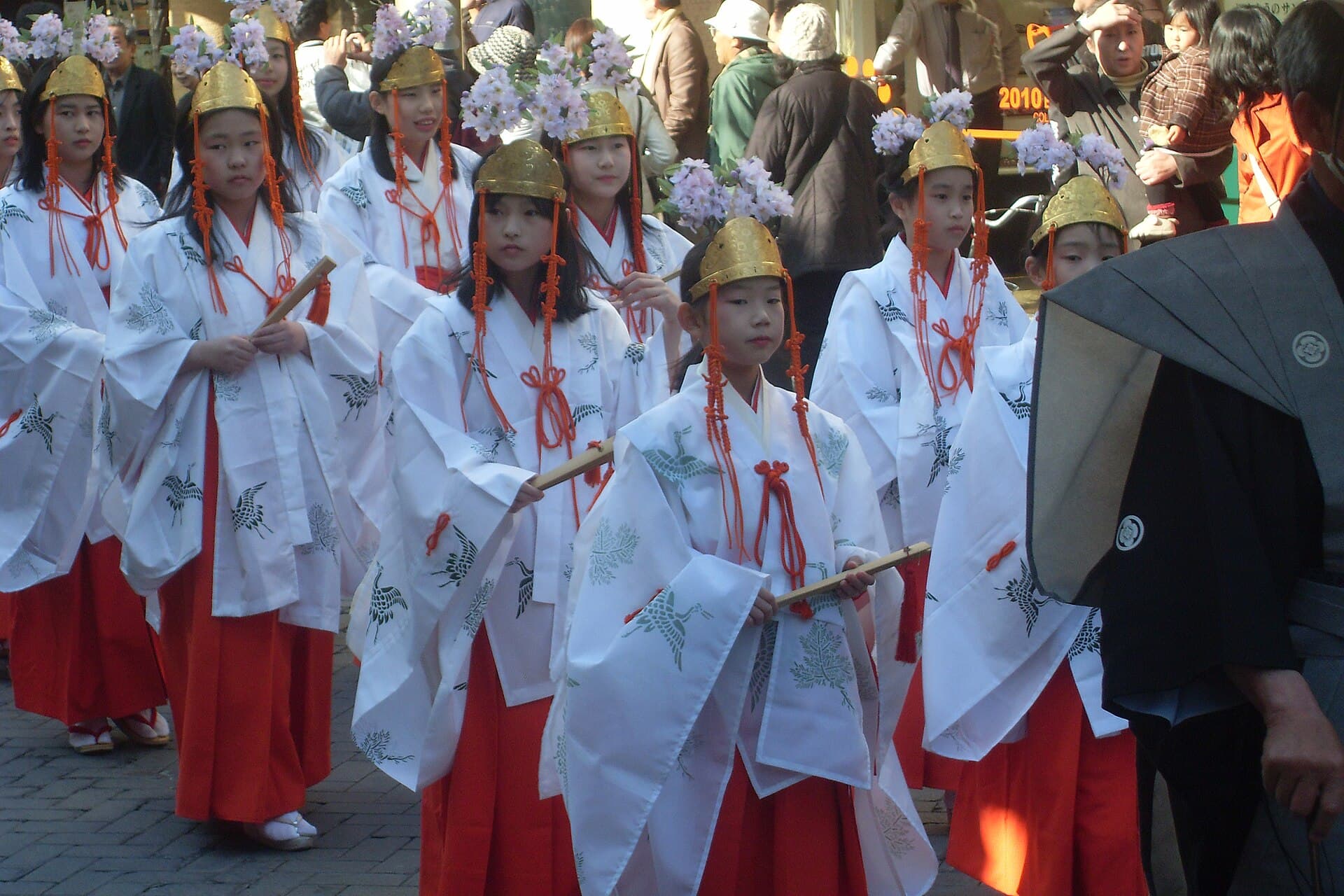
Spring festival procession in costume passing the old town houses of Takayama, Sanno Matsuri
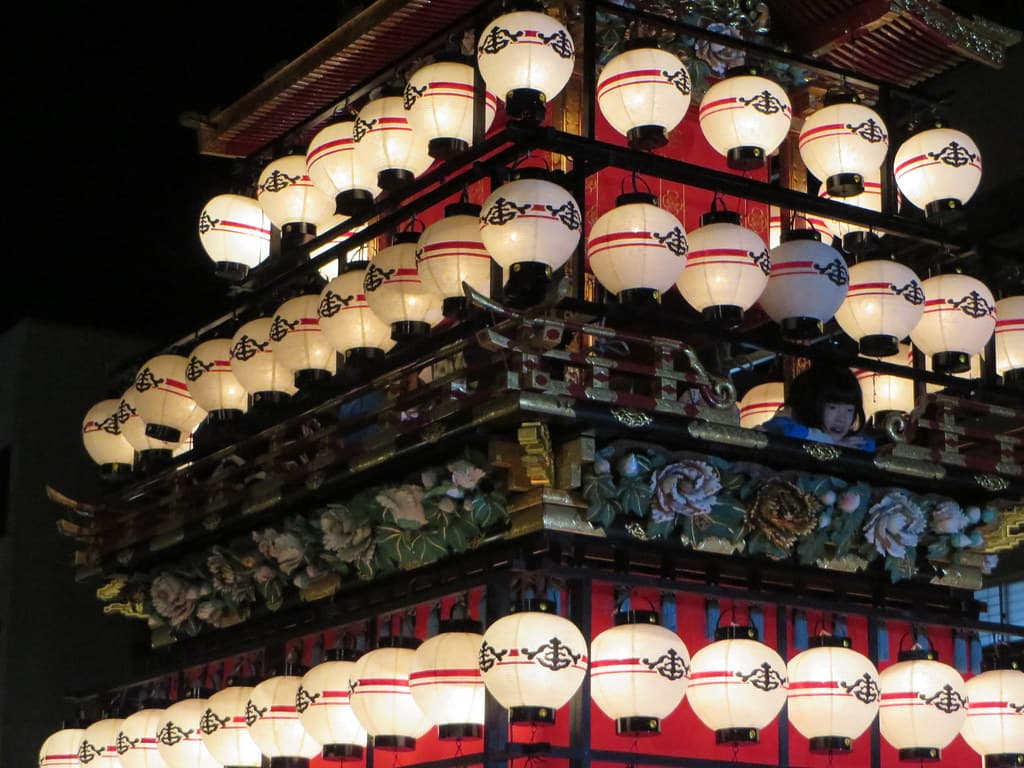
Lantern-lit yatai floats moving through the streets of Takayama at the night festival
A karakuri marionette performing on a yatai float at the Takayama Jinya
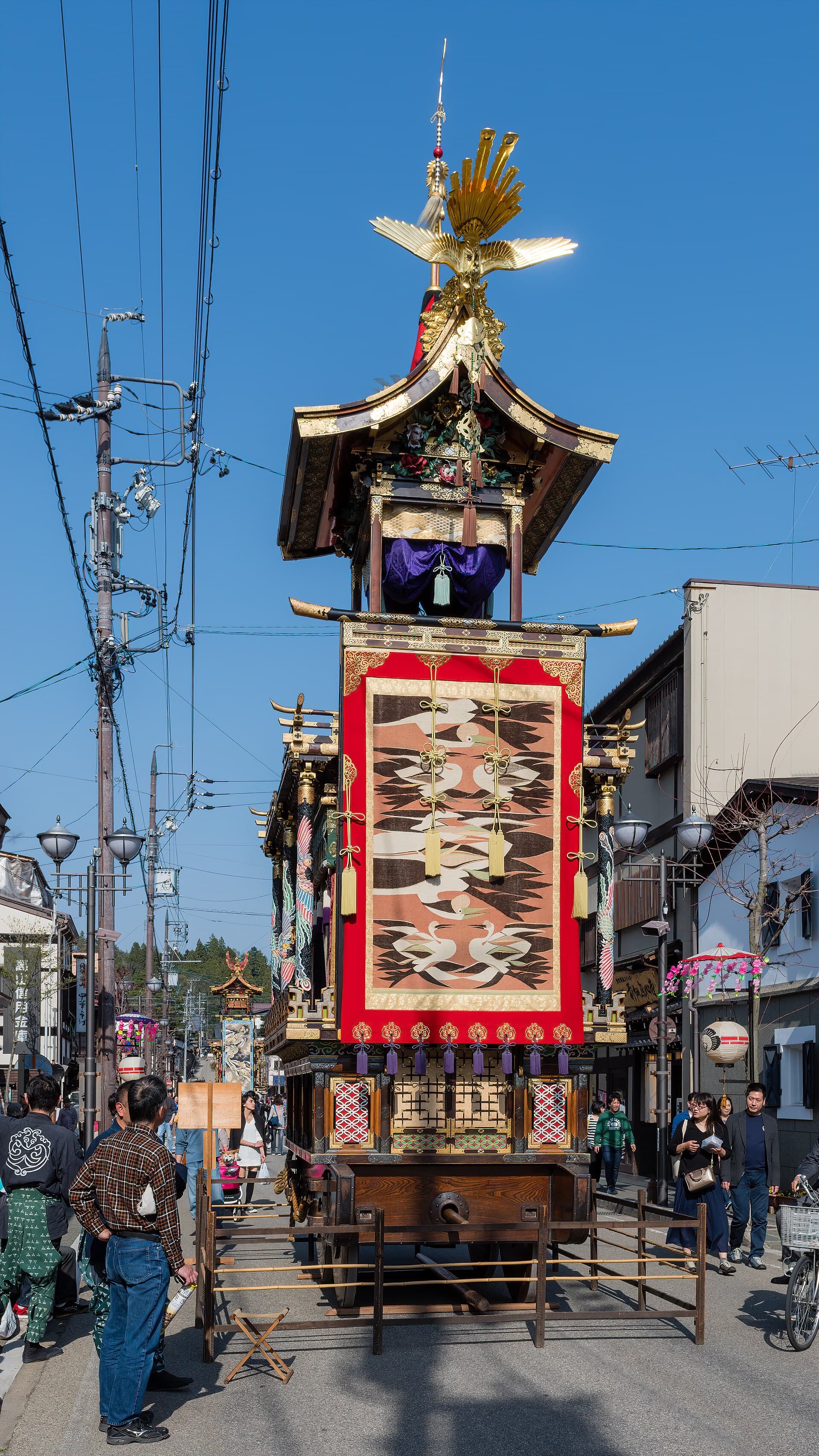
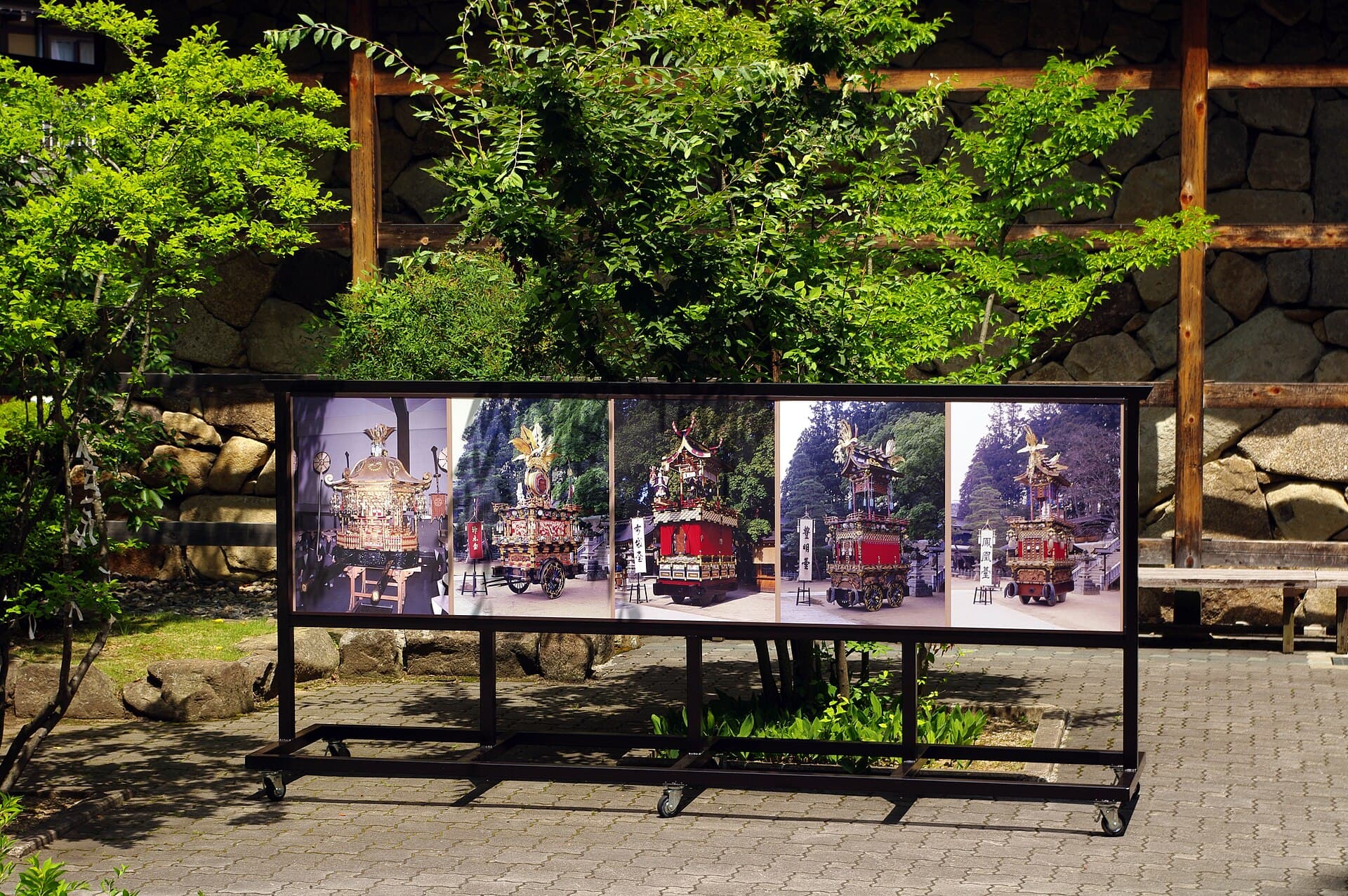
Close-up of a gilded yatai float with carved details standing in a Takayama street

Overview

Takayama Festival 2027 is expected on 14 and 15 April (Sanno Matsuri) and again on 9 and 10 October (Hachiman Matsuri) in the old town of Takayama, Gifu Prefecture 1. Twelve gilded yatai floats roll out in spring and eleven in autumn, three spring floats stage karakuri puppet shows, and the first night ends with lantern-lit floats 1 2. Viewing is free and the old town is a short walk from the station.

Highlights

  • Two festivals a year: 14 and 15 April, and 9 and 10 October, 2027 (expected) 1
  • 12 yatai floats in spring and 11 in autumn 1
  • Karakuri puppets on three floats, each worked by six to eight masters 2 3
  • About 100 lanterns on each float at the first-night procession 1
  • Rain cancels the parades; the festival is not postponed 2 3
  • Old town about a 10 minute walk from Takayama Station 6

Good to know

Dates
14 and 15 April 2027; 9 and 10 October 2027 (expected) 1
Opening hours
Spring floats on display from 9:30 on 14 April 2027 2
Venue
Sanmachi and the Hie Shrine area in spring; Omotesando and Sakurayama Hachimangu in autumn 1
Entry
Parades free; Yatai Kaikan 1,000 yen 7
Getting there
Limited Express Hida from Nagoya, about 140 minutes 4
Recommended eSIM
Japan eSIM for Takayama and the rest of Japan

What Happens If a Rain Cancellation Reaches Your Phone Late?

Rain is the one thing that can erase the main event in Takayama. On both festivals, wet weather cancels the procession, the float display, the karakuri shows and the night festival, and nothing is moved to another day 2 3. The organisers post schedule changes on Facebook and Instagram, so the people who find out early are those holding a phone with a working connection 3.

That matters because a visitor may have crossed Gifu Prefecture by train or bus for these few hours. Standing at Nahabashi Bridge or Omotesando at the planned start time and finding the street empty is the typical mistake. With mobile data you can check the alert at breakfast, decide whether to see the floats in their storehouses instead, and rebook the day around the Takayama Jinya, a museum or the hot springs. Without data you rely on hotel staff and a lobby Wi-Fi signal that everyone else is also using.

The old town also has a long, narrow layout with several separate float stands, so being able to find the next display on a live map saves real walking time. Add the fact that spring and autumn mornings are cold, and every wasted wait outdoors costs you more than it would in July. A phone that tells you in a minute that the display has moved to a storehouse is worth more than an hour of standing in the cold.

Following Karakuri Show Times Between Stages

The karakuri puppet shows run at set times, only twice a day on each festival day, and they draw crowds well before the start 2 3. A saved timetable and a live clock on your phone stop you arriving after the doors are closed to new spectators.

Finding Your Group Along Omotesando

During the Hachiman Matsuri the floats stand in a line along Omotesando, the approach to Sakurayama Hachimangu Shrine, and the procession fills the street 3. Sharing a pinned location by message beats shouting across a crowd of onlookers. If your group splits to see different floats, agree one landmark, such as the gate of Sakurayama Hachimangu, and a time to regroup, then keep the location shared until everyone is back.

Paying Cashless at Old Town Shops

Heritage houses and museums in the old town list set entry fees, and shops there typically keep a 9:00 to 17:00 schedule 6. Card and phone payments, plus a translation app for sake labels and menus, keep the street-food rounds quick.

Install your eSIM before you fly and be online when you land — see matching plans

The complete guide

When Is Takayama Festival in 2027?

The Takayama Festival is expected on 14 and 15 April 2027 for the Sanno Matsuri and on 9 and 10 October 2027 for the Hachiman Matsuri 1. The dates are fixed on the calendar and repeat every year, so they do not move with a lunar cycle the way some festivals do 1. Editors have not confirmed the 2027 programme with the organiser, so treat day names and hours as expected.Standing alone: the Takayama Festival 2027 in Takayama, Gifu Prefecture, runs as two separate events, the spring Sanno Matsuri of Hie Shrine and the autumn Hachiman Matsuri of Sakurayama Hachimangu Shrine, each lasting two days 1. In 2027, 14 April falls on a Wednesday, while 9 and 10 October fall on a Saturday and Sunday.

Each festival has its own character. The spring Sanno Matsuri is the festival of Hie Shrine and celebrates the arrival of spring, with 12 yatai paraded together 2 1. The autumn Hachiman Matsuri belongs to Sakurayama Hachimangu Shrine, which locals call Hachimanjinja, and features 11 yatai 1. Both festivals are traced to the 16th to 17th century, in the time of the Kanamori family 9. The spring festival is described as a prayer for a good harvest and the autumn one as thanks after the harvest 9.

  • Spring 2027 (expected): 14 and 15 April, around Hie Shrine and the Takayama Jinya 2

  • Autumn 2027 (expected): 9 and 10 October, around Omotesando and Sakurayama Hachimangu 3

  • Earlier editions: the 2026 programme was published on the same days, 14 and 15 April and 9 and 10 October 2 3

The timetables published for 2026 are the best guide to the 2027 pattern, so the hours below are quoted from them and marked seasonal.Tip: Pick the spring dates for cherry blossom weather and shorter crowds in the evening; pick the autumn dates for the Hotei-tai karakuri and the mountain colours around Takayama.
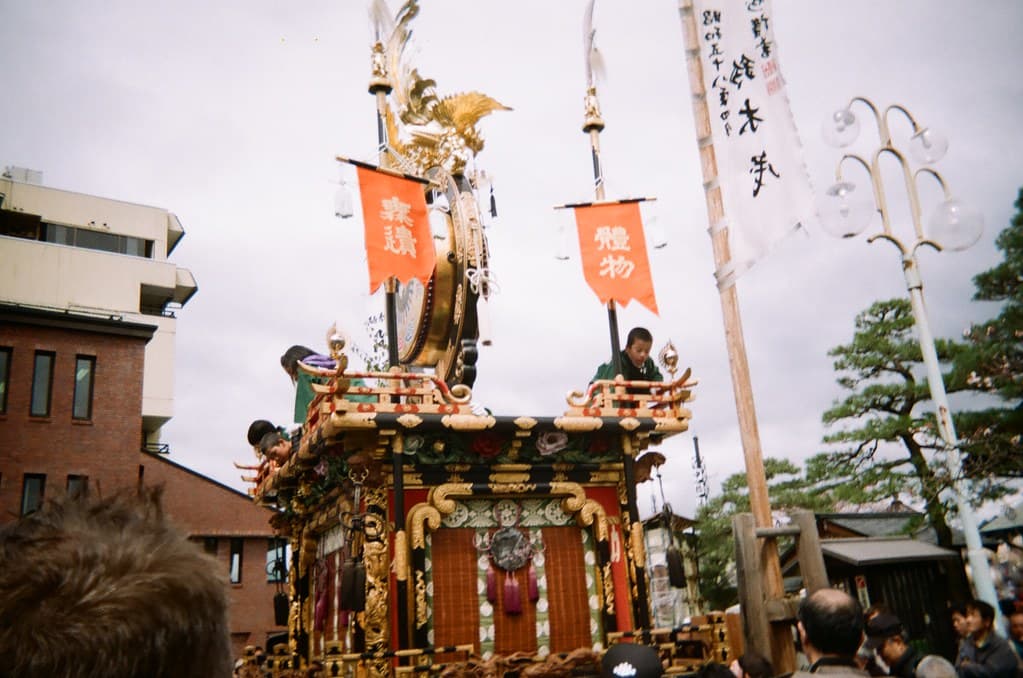
A wide view of festival floats parked along an old town street of Takayama under a clear sky
Photo: Yuya Tamai · CC BY 2.0 · Openverse (flickr)

Is the Takayama Festival Free to Watch?

Watching the processions and the float displays in the streets costs nothing, because the floats travel and stand in public streets 2 3. The official pages for the spring and autumn festivals list no admission or participation fee and describe no ticket system 2 3. There is no seat reservation for the parade either.

Standing alone: at the Takayama Festival in Takayama, Gifu Prefecture, tens of thousands of people attend, so a free street spot is a matter of arriving early rather than paying for entry 8. The Takayama Festival Information Headquarters opens only on festival days, while the Hida Takayama Tourist Information Office handles questions all year 2 3.

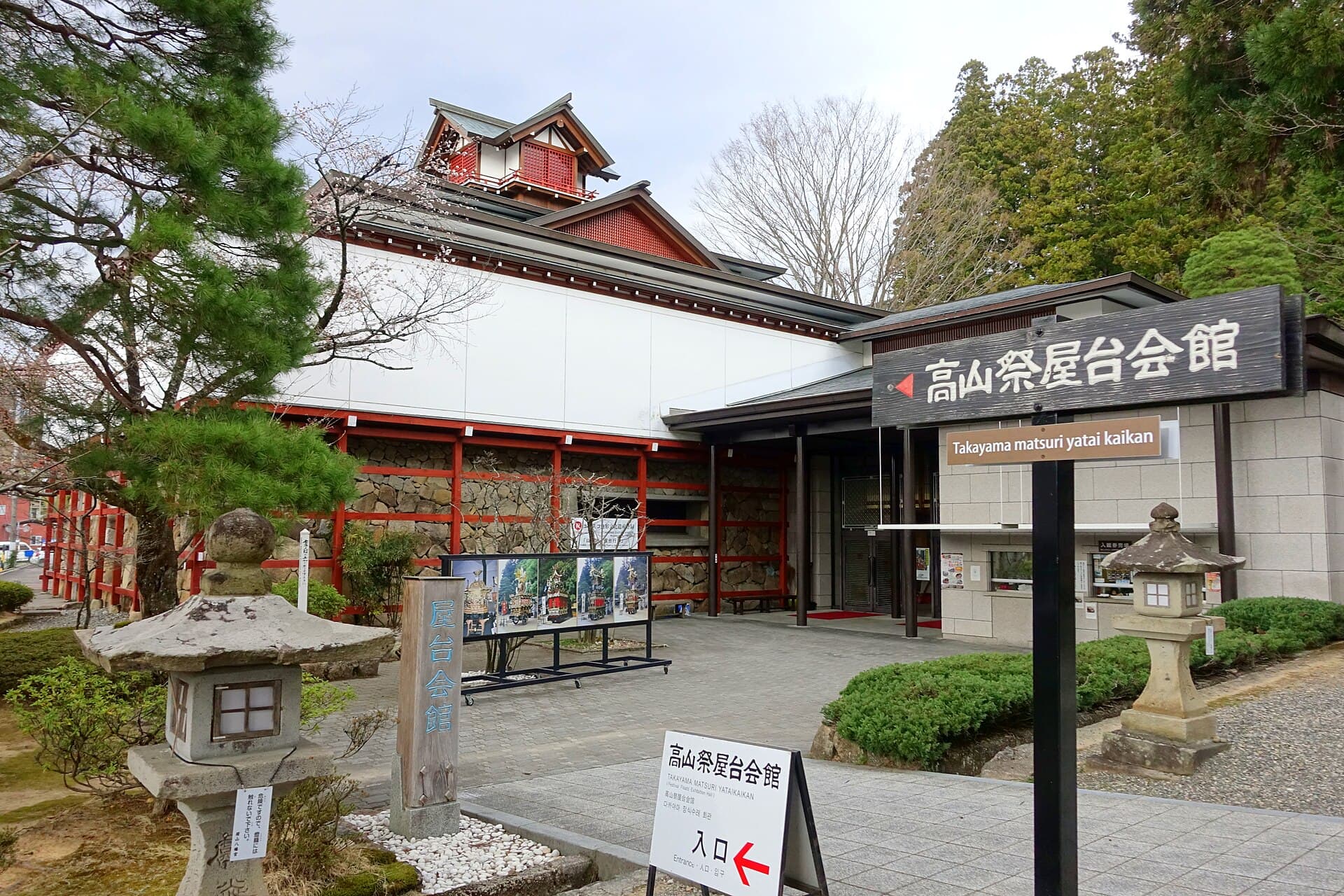
Paid entries sit around the edges of the festival. Four of the autumn festival's eleven floats are on show all year in the Takayama Matsuri Yatai Kaikan beside Sakurayama Hachimangu, and the hall costs 1,000 yen for adults, covering the adjacent Nikkokan hall as well 7. It opens from 9:00 to 17:00, a visit takes about 45 minutes, and English audio guides are available 7. Other old town sights charge small fees: the Takayama Jinya, the former government house that doubles as the spring Otabisho, listed 440 yen 6.

  • Streets, parades and float stands: free 2 3

  • Takayama Matsuri Yatai Kaikan: 1,000 yen 7

  • Takayama Jinya: 440 yen 6

Note: The Yatai Kaikan is a calm way to see floats at close range if rain cancels the street events, because the hall stays open 7.

Spectators lining the street to watch a yatai float pass in the old town
Photo: Paul Mannix · CC BY 2.0 · Openverse (flickr)
Need a steady connection for transit and maps?See eSIM plans

How Do You Reach Takayama on the Hida Limited Express?

The simplest route to Takayama is the JR Wide View Hida limited express from Nagoya, which takes about 140 minutes 4. From Tokyo you take the Tokaido Shinkansen Nozomi to Nagoya in about 100 minutes and then change 4. From Shin-Osaka the Nozomi takes about 50 minutes to Nagoya, and a direct Hida limited express from Osaka takes about 255 minutes 4. The Hida train from Toyama runs about 90 minutes 4.

Standing alone: reaching the Takayama Festival in Takayama, Gifu Prefecture, by rail means getting off at JR Takayama Station, from which the old town is about a 10 minute walk 6. A page from Japan National Tourism Organization also lists trains from Nagoya that run hourly and take about 2 hours 20 minutes 8.

If you arrive by bus, the highway services are an alternative on the days when rail seats sell out. Highway buses run from Shinjuku in about 5.5 hours, from Matsumoto in about 150 minutes, from Kanazawa in about 135 minutes and from Nagoya in about 165 minutes 4. The bus centre sits behind the koban outside the station 5.

Around town the Machinami Bus costs 100 yen per ride and the one-day pass is 500 yen 5. A taxi starts at 660 yen, waits can exceed an hour on weekends, and large luggage check-in at the station costs 500 yen per day 5. In practice you will walk, because streets near the floats close to cars.

Tip: Book your Hida seat as soon as your hotel is fixed, since festival days fall on dates when many other visitors arrive.

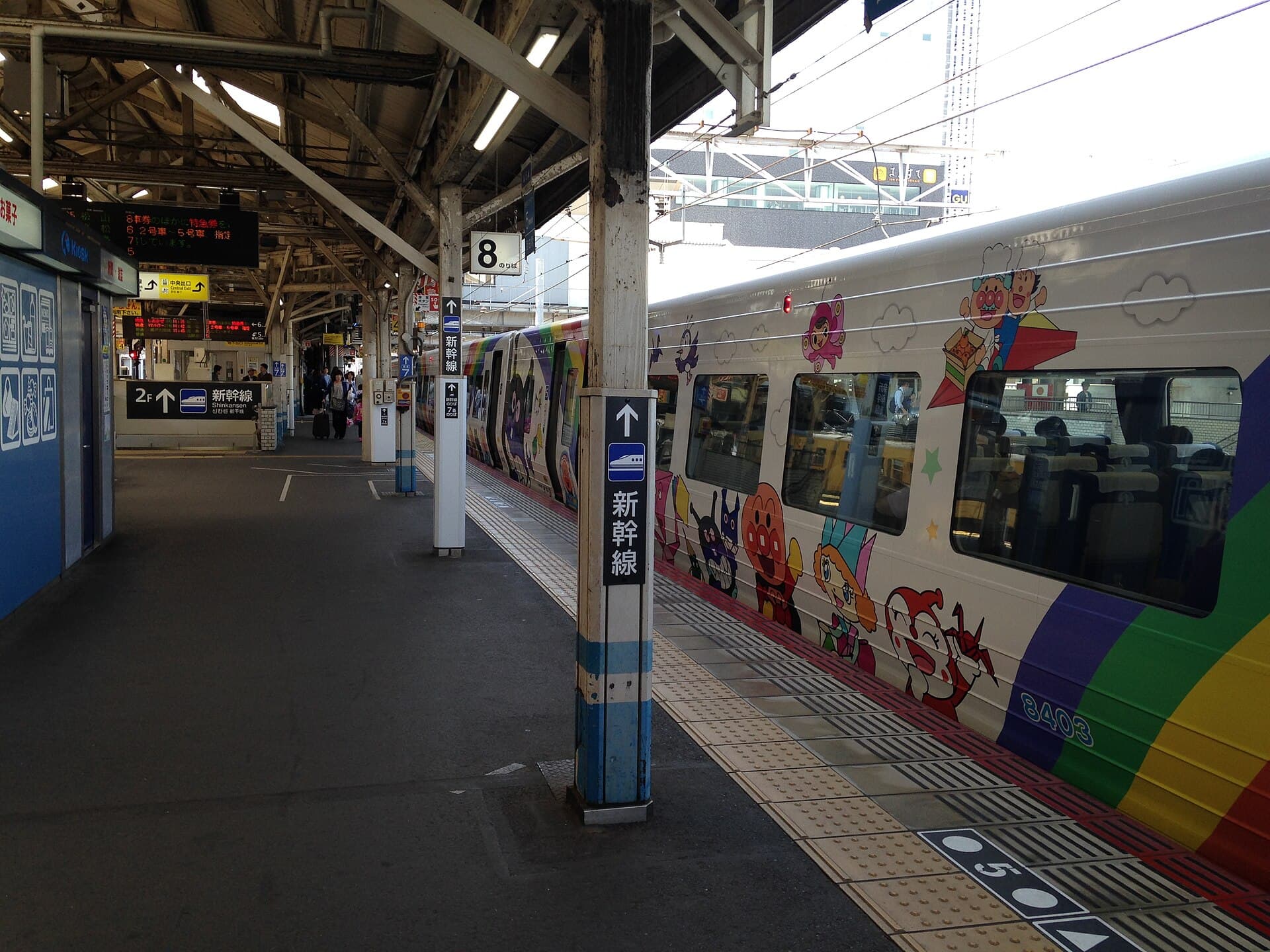
A Limited Express Hida train standing at Takayama Station platform
Photo: そらみみ · CC BY-SA 4.0 · Wikimedia Commons

What Happens at Hie Shrine and the Otabisho on 14 and 15 April?

The Sanno Matsuri centres on Hie Shrine and the Otabisho, the temporary resting place of the deity, which is the Takayama Jinya 2. The procession is led by volunteers who accompany a portable shrine carrying Sannou-sama, Hie Shrine's patron deity, and several hundred people in traditional costume play ohayashi music, garaku court music and shishimai lion dances 1 2.

The programme listed for the 2026 edition shows what the 2027 pattern is expected to look like. On 14 April the procession starts at 12:45 at Hie Shrine and finishes at about 16:00 at the Otabisho 2. On 15 April it starts at 12:30 at the Otabisho and finishes at 15:30 at Hie Shrine 2. The yatai display runs from 9:30 until about 15:00 on 14 April and until about 16:00 on 15 April 2.

The night festival begins at 18:00 on 14 April, with about 100 lanterns on each float, and the procession begins near Nahabashi Bridge, which closes from 16:00 to 18:00 2.

Standing alone: at the Sanno Matsuri in Takayama, Gifu Prefecture, in April 2027, the parade runs along the south side of Yasugawa Street, next to the old town 2.

  • 14 April: karakuri 10:00 and 14:00 2

  • 15 April: karakuri 10:00 and 14:00 2

Tip: Arrive at Nahabashi Bridge before it closes at 16:00, or you may be kept on the wrong side of the crowd 2.

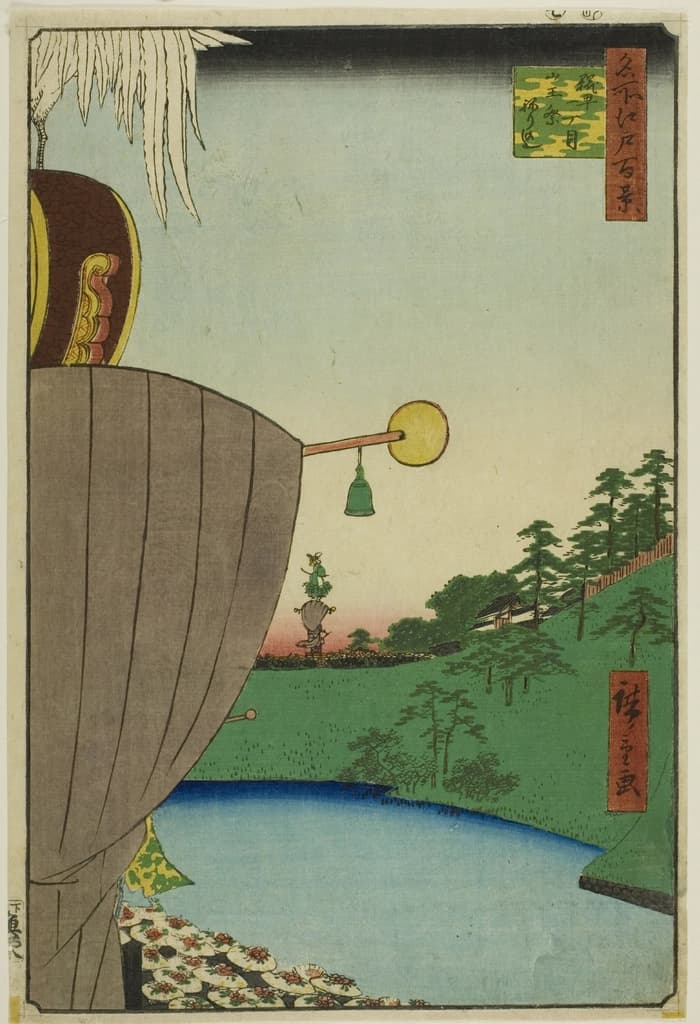
The Sanno Matsuri procession led by volunteers carrying the portable shrine near Hie Shrine
Photo: artinstitutechicago · CC0 · Openverse (rawpixel)

What Does the Hachiman Matsuri Do Along Omotesando?

The Hachiman Matsuri turns Omotesando, the long approach to Sakurayama Hachimangu Shrine, into a gallery of floats 3. The 2026 listing shows ten floats standing along Omotesando and the Hotei-tai in the shrine precinct, with the Gyojin-tai under repair, which is why ten rather than eleven were shown 3.The procession starts on 9 October at 13:20 from Omotesando and ends about 15:30 near the Takayama police station 3. On 10 October it starts at 8:30 and ends about 16:00 at Omotesando 3. Floats are displayed from 9:00 until about 17:00 on 9 October and until about 16:00 on 10 October 3.

Standing alone: at the Hachiman Matsuri 2027 in Takayama, Gifu Prefecture, the evening of 9 October brings the yoimatsuri, when the floats are decorated with lanterns, about 100 on each, and move slowly through the town 3. The page did not state the start time or route, so confirm both on arrival 3.

  • Autumn karakuri: 12:00 and 14:00 on 9 October; 11:00 and 13:00 on 10 October 3

  • Rain: parade, yatai parade, karakuri and yoimatsuri are cancelled and not postponed 3

Tip: Sakurayama Hachimangu itself is free to enter at any hour, so use the quiet minutes before the parade to walk the precinct 6.

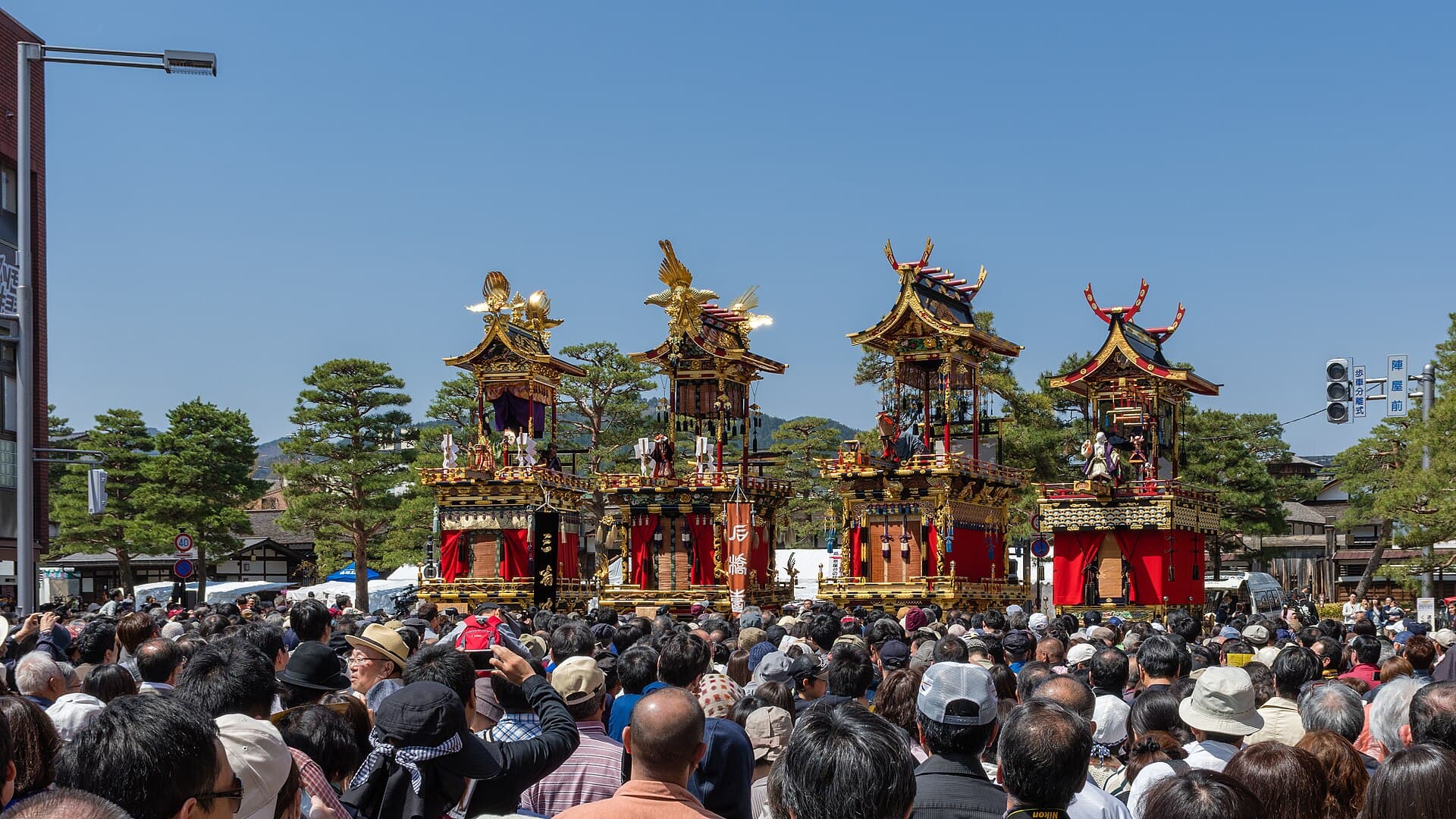
Festival floats lined up on Omotesando in front of Sakurayama Hachimangu Shrine
Photo: Chme82 · CC BY-SA 4.0 · Wikimedia Commons

How Do the Karakuri Puppets Perform?

Karakuri are mechanised marionettes on the floats, and a team of six to eight masters, called tsunakata, works each marionette through strings 2 3. Marionette dolls were introduced to the festival floats in the period from 1804 to 1830, and the tradition has continued since 2.

In spring three floats carry puppets: Sanbaso, Ryujin-tai and Shakkyo-tai, performed at the Takayama Jinya, the Otabisho; each show lasts about 50 minutes 2. In autumn the performance takes place on the Hotei-tai in the shrine precinct of Sakurayama Hachimangu 3. One account says the Hotei-tai's springs are made from right whale baleen, which cannot be replaced with steel or the baleen of another whale 9.

Standing alone: at the Takayama Festival in Takayama, Gifu Prefecture, karakuri show times differ by season and entrances from surrounding areas may be limited for safety 2 3.

  • Spring 2027 (expected): 10:00 and 14:00 on both days 2

  • Autumn 2027 (expected): 12:00 and 14:00 on 9 October; 11:00 and 13:00 on 10 October 3

  • Rain: shows are cancelled 2 3

Tip: The autumn karakuri is also live streamed on the Hida Takayama Tourism YouTube channel, a backup if you cannot get close 3.

A karakuri marionette on a yatai float performing a stage routine before a crowd
Photo: Paul Mannix · CC BY 2.0 · Openverse (flickr)

Which Street Food Fits a Festival Day in Sanmachi?

Eat standing up in the Sanmachi lanes, because the best food in Takayama on a festival day is cheap, grilled and handheld. Skewers of Hida beef, rice-cracker snacks and sweet soy-glazed dango sold from small shopfronts are the usual choices, and they suit a cold street better than a long sit-down lunch.

Standing alone: at the Takayama Festival in Takayama, Gifu Prefecture, the old town is also the sake district, and several old breweries pour small samples under a cedar ball hung over the entrance, a sign of a working brewery 6. Most shops in the area typically keep the 9:00 to 17:00 hours of a normal day, so plan the main meal around the parade gaps rather than the evening 6.

Restaurants fill up quickly once the night procession ends, because thousands of spectators leave the streets at once. Book a table for Day 1 and Day 2 before you travel, or eat early, between the afternoon parade and the first lanterns. If you want a quiet meal, walk a few blocks away from the float stands, where side streets stay calm.

  • Eat a snack lunch between karakuri shows rather than queueing at a restaurant

  • Try the sake samples in the old breweries, but pace yourself on a cold evening

  • Carry cash for small stalls, and keep a card for restaurants

  • Bring a bag for rubbish, since street bins are scarce in crowded lanes

Tip: A hot drink from a vending machine in the evening costs little and warms your hands during the lantern procession.

A stall in the Sanmachi old town grilling skewers of Hida beef beside a sake brewery with a cedar ball over the door
Photo: Paul Mannix · CC BY 2.0 · Openverse (flickr)

How Cold Does Takayama Get in April and October?

Takayama sits in the mountains of Gifu, so the evenings are cold at both festivals. April averages a high of 17°C and a low of 3°C 10. October is cooler at night as well, so plan for layers.

Standing alone: a visitor to the Takayama Festival in Takayama, Gifu Prefecture, should expect a cold night during the first-evening lantern procession whichever season they pick 10.

Rain decides everything here. If it rains, the processions, float displays, karakuri and night festival are all cancelled, and yatai may be viewable only in their storehouses, depending on the weather 2 3. Weather-related schedule changes are posted on social media 3.

  • A packable rain jacket and a small umbrella for waiting at kerbs

  • Warm layers, scarf and gloves for the night procession

  • Shoes you can stand in for hours on hard asphalt

  • A thermos, because food stalls close early

Tip: Plan the second festival day as the backup day for any outdoor sight that you miss.

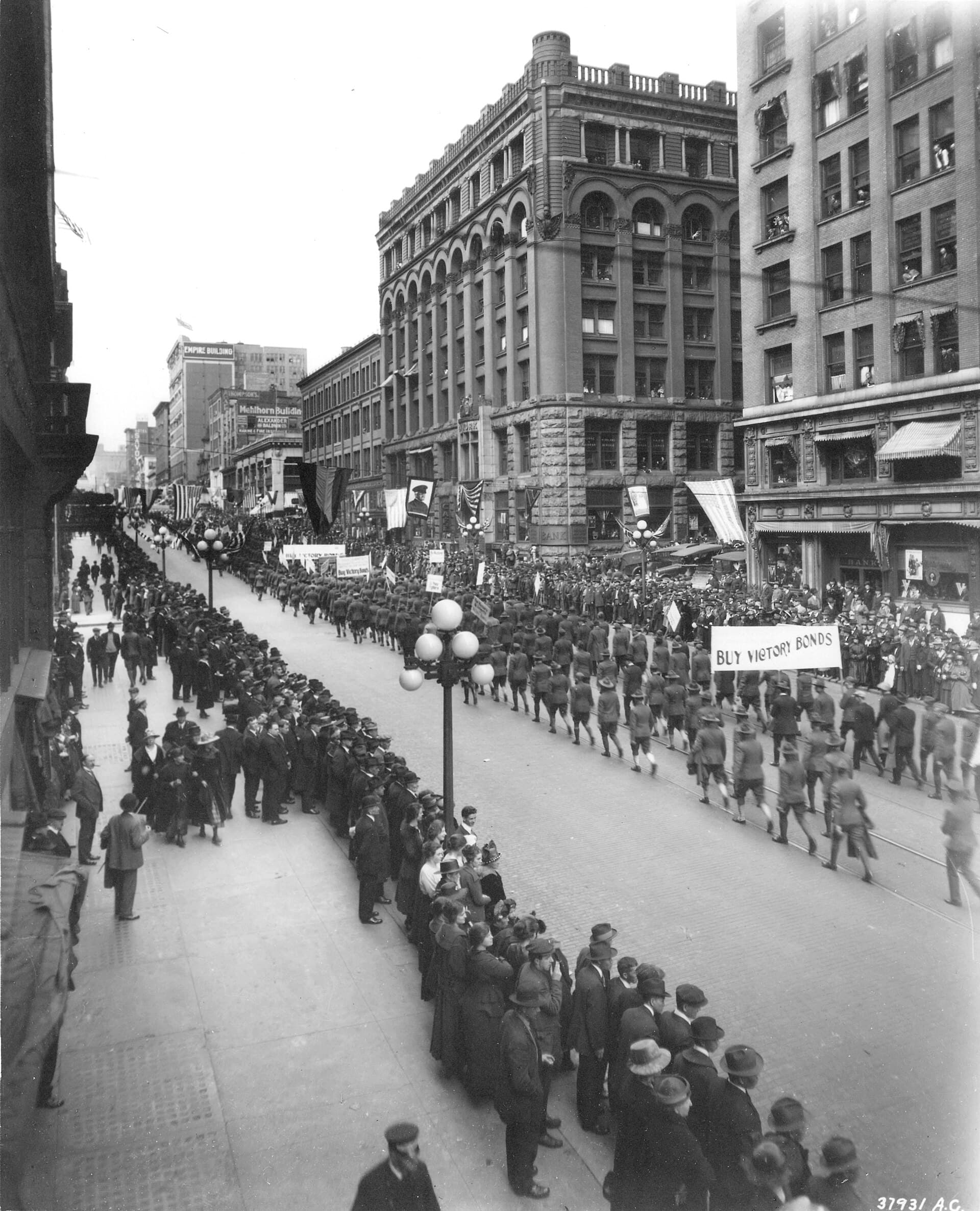
Cherry blossoms and a festival procession in Takayama streets in April
Photo: Asahel Curtis · Public domain · Wikimedia Commons

Where to Sleep in Takayama on Festival Nights?

Stay in or near the old town, because the walk from Takayama Station to the old town is about 10 minutes and the float stands sit within it 6. The Takayama Matsuri Yatai Kaikan is a 20 to 25 minute walk from the station 7.

Standing alone: for the Takayama Festival in Takayama, Gifu Prefecture, the best areas to sleep are the streets around Takayama Station, the Sanmachi old town and the lanes near Sakurayama Hachimangu, because the road closures at the parade make taxis unreliable 5.

Not every lodging is near the centre. Some options listed for Takayama sit 20 to 25 minutes away by car, and hotel lists show some far enough to need a 60 to 80 minute bus ride 6. Skip those on festival nights, as buses are infrequent and taxis can wait more than an hour on busy days 5.

  • Choose a place within walking distance of Sanmachi for the night procession

  • Book as soon as the dates are confirmed, because Takayama is small

  • Ask whether luggage storage is possible if you arrive before check-in

Tip: If everything near the old town is full, base yourself at Toyama or Nagoya and take the Hida train in, since Toyama is about 90 minutes away 4.

A traditional merchant house street in the Sanmachi district of Takayama in the morning
Photo: Chme82 · CC BY-SA 4.0 · Wikimedia Commons

Will Your Phone Work Among the Floats?

An eSIM or other mobile data helps most at the Takayama Festival for alerts, maps and bus reservations. Tens of thousands of people attend, and shared public Wi-Fi tends to slow when everyone is in the same street 8. Install a Japan eSIM before leaving home, so it is active when you land at Nagoya or Toyama.

Standing alone: at the Takayama Festival in Takayama, Gifu Prefecture, the practical uses of mobile data are rain alerts on social media, live maps, translation and booking buses 3.

If you plan to add Shirakawa-go, bus seats are reserved by telephone through the bus centre, and some travellers report buying tickets only a couple of days beforehand 11. Check the current rule before you go. The terminal for Shirakawa-go buses stands beside the station, so the trip is easy to add on the free day after the festival, but seats can run out in busy periods, which is why a data connection to ring or message the reservation desk is useful 5 11.

  • Download offline maps of the old town as a fallback

  • Save the Hida Takayama Tourist Information Office page before you leave home 3

  • Keep a power bank, because cold nights drain batteries faster

Note: The eSIM is only for data; use it with a translation app for sake labels and menus.

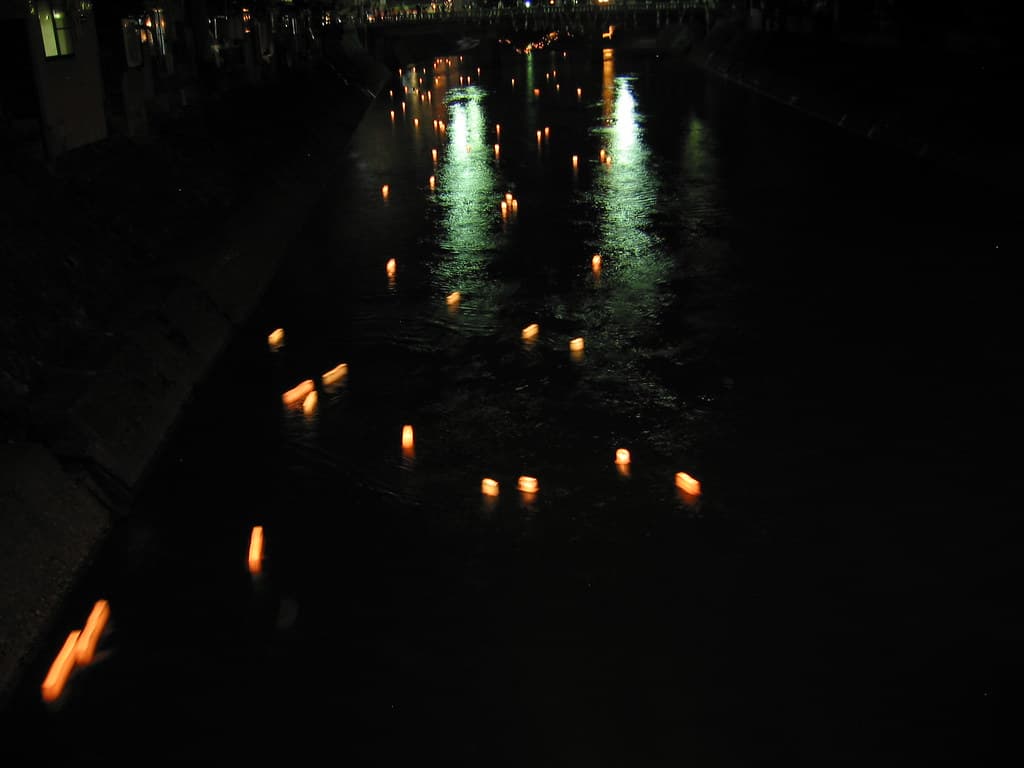
A crowd with phones held up photographing a lantern-lit float at night
Photo: afs1180 · CC BY 2.0 · Openverse (flickr)

Suggested itinerary

Day 1 · First festival day

  1. Morning
    Float displays in the old townWalk the Sanmachi streets and see the yatai standing close to the Otabisho or Omotesando.
  2. Around noon
    Karakuri showPick the show time listed for your season and be there early.
  3. Afternoon
    ProcessionWatch from a kerb spot with a wide view; both festivals start the parade after lunch.
  4. Evening
    Night processionFind a spot by Nahabashi Bridge in spring or along the town streets in autumn.

Day 2 · Second festival day

  1. Morning
    Second karakuri performanceA good tip is to catch a different show from Day 1.
  2. Midday
    Street food in SanmachiTry Hida beef skewers and local sake samples.
  3. Afternoon
    Closing processionThe procession returns to its shrine in the afternoon.
  4. Evening
    Dinner in the old townBook early because the night is busy.

Day 3 · Backup day

  1. Morning
    Takayama Matsuri Yatai KaikanClose-up look at four floats, useful if rain cancelled earlier events.
  2. Midday
    Takayama JinyaGovernment house with merchant history.
  3. Afternoon
    Shirakawa-goTake the bus from the bus centre by the station and check seat reservations.
  4. Evening
    Return and eatHead back to the old town before closing.
Tip: The festival floats go out on the first two days, so use the third day as a weather backup or for Shirakawa-go.

Recommended eSIM plans

Pick by trip length. Visiting several countries? Choose a regional plan.

Selected: eSIM Japan 10GB 07 Day(s)

Set up your eSIM in 3 steps

  1. Order and get your QR codeThe QR code arrives by email right after payment.
  2. Scan before you flySettings → Cellular → Add eSIM, while you still have Wi-Fi.
  3. Turn on data when you landSet the eSIM as your data line and enable data roaming.

Frequently asked questions

The Sanno Matsuri is the spring festival of Hie Shrine on 14 and 15 April, with 12 yatai, while the Hachiman Matsuri is the autumn festival of Sakurayama Hachimangu on 9 and 10 October, with 11 yatai 1. The parade route differs between the two festivals, and the autumn festival centres on Omotesando while spring runs near the Takayama Jinya 1 2 3.

Neither is clearly better. Spring puts three karakuri floats on show at the Takayama Jinya, while autumn shows the Hotei-tai performing inside the shrine precinct 2 3. Spring has 12 floats and autumn has 11 1. Choose spring for cooler blossom weather and autumn for a floats-lined Omotesando; the night lantern procession happens on the first evening of both.

Yes, the events are cancelled and not postponed. In wet weather the procession, the yatai display, the karakuri shows and the night festival are all called off, although floats may sometimes be viewed in their storage places depending on conditions 2 3. Check Facebook and Instagram on the morning for any change, and keep the Yatai Kaikan as your backup.

The Takayama Matsuri Yatai Kaikan beside Sakurayama Hachimangu displays four of the autumn festival's eleven floats and charges 1,000 yen 7. It opens 9:00 to 17:00, takes about 45 minutes and has English audio guides 7. It is about a 20 to 25 minute walk from Takayama Station 7.

Book the train as early as you can once you choose between spring and autumn. The Limited Express Hida from Nagoya takes about 140 minutes, and from Toyama it takes about 90 minutes 4. Festival days are busy, and trains from Nagoya run only hourly, so a missed connection can cost a full hour 8.

Sources

Figures on this page come from the sources below — the small number next to each figure points to its source.

  1. 1Hida Takayama Tourism, Takayama Festival (accessed 2026-10-15)
  2. 2Hida Takayama Tourism, Spring Takayama Festival (Sanno Matsuri) (accessed 2026-10-15)
  3. 3Hida Takayama Tourism, Autumn Takayama Festival (Hachiman Matsuri) (accessed 2026-10-15)
  4. 4Hida Takayama Tourism, How to get to Takayama (accessed 2026-10-15)
  5. 5Hida Takayama Tourism, Transportation in Takayama (accessed 2026-10-15)
  6. 6Japan Guide, Takayama (accessed 2026-10-15)
  7. 7Japan Guide, Takayama Matsuri Yatai Kaikan (accessed 2026-10-15)
  8. 8Japan National Tourism Organization, Takayama Spring Festival (accessed 2026-10-15)
  9. 9Wikipedia, Takayama Festival (accessed 2026-10-15)
  10. 10Inside Kyoto, When to go to Takayama (accessed 2026-10-15)
  11. 11Japan Bus Online, Bus reservations from Takayama (accessed 2026-10-15)